

What is Car Alignment and Why is It Important?
Car alignment is a crucial yet often overlooked aspect of vehicle maintenance that directly affects handling, safety, and efficiency. Understanding car alignment helps keep your vehicle operating smoothly and can prevent costly repairs over time.
Proper alignment improves driving comfort and extends the lifespan of tires and suspension components. This article explains the definition and types of car alignment, its importance, common causes of misalignment, diagnostic methods, and maintenance strategies to ensure your vehicle performs at its best.
Learning the fundamentals of car alignment empowers you to make informed decisions about vehicle care. Routine alignment checks contribute significantly to overall performance and longevity, reinforcing the value of consistent maintenance.
Understanding Car Alignment
Definition of Car Alignment
Car alignment, also known as wheel alignment, refers to adjusting a vehicle's suspension system to ensure the wheels meet the manufacturer’s specifications. Proper alignment affects how tires contact the road, directly influencing stability and safety.
Adjustments include camber, caster, and toe, which determine wheel angles and positions relative to the car. Correct alignment ensures smooth rides, even tire wear, and better fuel efficiency. According to Kelley Blue Book, keeping up with routine maintenance avoids costly repairs and can help keep your car running to 100,000 miles and beyond.
Components Involved
The main components involved in car alignment include wheels, tires, the suspension system, and steering mechanisms. The suspension, including springs and shock absorbers, is primarily adjusted during alignment.
Camber measures the inward or outward tilt of the wheels, caster affects cornering stability, and toe determines the direction tires point relative to the centerline. Proper maintenance ensures your vehicle operates efficiently and prevents uneven wear on these critical components.
Types of Alignment
There are three common types of alignment: front-end, thrust, and four-wheel alignment. Front-end alignment adjusts only the front wheels, suitable for vehicles with a solid rear axle. Thrust alignment ensures the rear wheels are parallel with the front, ideal for independent rear suspensions. Four-wheel alignment adjusts all wheels and is essential for all-wheel-drive vehicles.
Choosing the correct type of alignment maintains vehicle balance, stability, and tire longevity. Regular checks prevent handling issues and excessive tire wear, keeping your car safe and comfortable to drive.
Signs of Misalignment
Common signs of misalignment include uneven tire wear, a steering wheel that pulls to one side, vibrations, or a crooked steering wheel when driving straight. Suspension noises may also indicate alignment issues.
Recognizing these symptoms early allows for timely intervention, preventing further damage. Regular alignment checks maintain vehicle safety and performance while reducing long-term repair costs.
Impact on Driving Comfort and Safety
Correct alignment enhances driving comfort, reduces fatigue, and improves vehicle stability. Poor alignment increases tire wear, reduces traction, and can compromise handling in emergencies.
Regular alignment maintenance supports driver safety and vehicle longevity, ensuring predictable handling and reliable performance on all road conditions.
Why Car Alignment is Important
Effects on Tire Longevity
Poor alignment causes uneven tire wear, shortening tire life and requiring more frequent replacements. Proper alignment distributes forces evenly across tires, prolonging their lifespan and improving ride quality.
Routine alignment checks prevent costly tire replacements and contribute to environmental sustainability by minimizing tire waste. Proper alignment supports long-term vehicle performance and cost savings.
Influence on Fuel Efficiency
Misaligned wheels increase rolling resistance, forcing the engine to work harder and consume more fuel. Correct alignment reduces drag, allowing the vehicle to operate efficiently and save on fuel costs.
Maintaining car alignment is a cost-effective strategy that supports both economic and environmental goals by reducing fuel consumption and emissions.
Role in Handling and Stability
Alignment affects vehicle handling, stability, and steering precision. Misalignment can cause pulling, vibrations, or difficulty navigating turns, compromising safety and driving confidence.
Properly aligned wheels ensure predictable steering, a stable ride, and improved control at all speeds. Regular alignment checks maintain handling quality and overall driving satisfaction.
Suspension System Preservation
Maintaining alignment reduces stress on suspension components, such as shock absorbers and struts. Misalignment accelerates wear, leading to premature repairs. Correct alignment prolongs suspension life and maintains ride quality.
Regular alignment supports holistic vehicle maintenance, preventing major mechanical issues and contributing to long-term cost savings.
Cost Implications of Ignoring Misalignment
Ignoring alignment problems leads to uneven tire wear, fuel inefficiency, and suspension damage, escalating maintenance costs. Routine alignment services are far less expensive than repairing extensive damage caused by neglect.
Consistent alignment maintenance safeguards your investment, preserves vehicle performance, and helps avoid unexpected financial burdens.
Causes of Misalignment
Poor Road Conditions and Potholes
Driving over uneven surfaces and potholes can shift wheels out of alignment. Repeated impacts from rough roads necessitate frequent alignment checks to maintain vehicle safety and stability.
Vehicle Collisions
Even minor accidents can affect wheel alignment by shifting suspension components. Post-collision alignment checks restore handling, maintain safety, and prevent further damage.
Suspension Component Wear
Gradual wear of suspension components like bushings and pivot joints can misalign wheels. Replacing worn parts and correcting alignment ensures continued performance and prevents handling issues.
Improper Tire Inflation
Uneven tire pressure can affect wheel alignment and handling. Both under-inflation and over-inflation can contribute to misalignment, making regular tire checks essential for maintaining proper alignment.
Natural Settling of Vehicle Components
New vehicles may experience minor alignment changes as suspension components settle. Scheduling alignment checks during this initial period ensures optimal performance and handling.
Diagnosing Car Alignment Issues
Professional Wheel Alignment Check
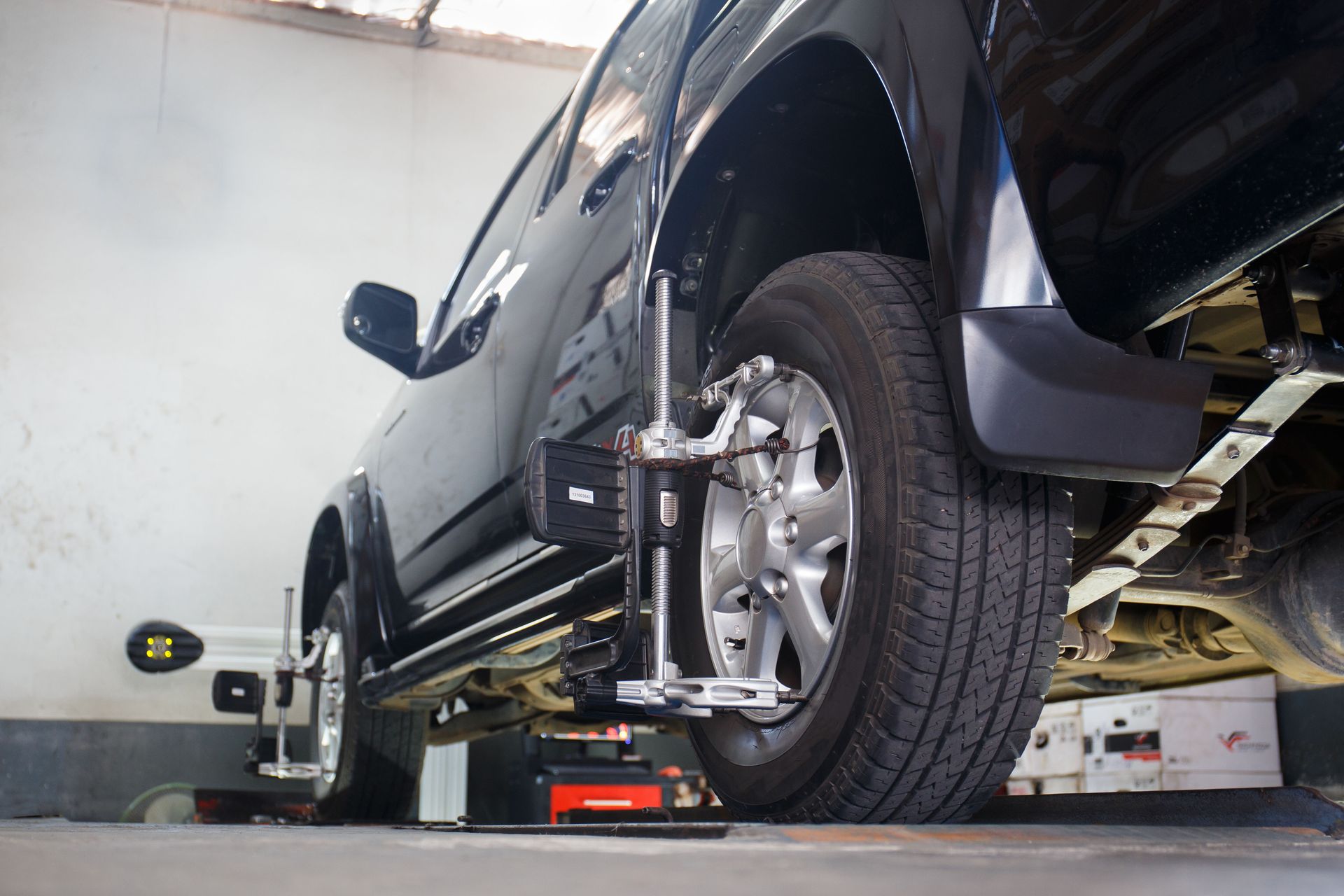
Professional alignment checks use computerized systems to measure camber, caster, and toe angles precisely. Technicians restore proper wheel positioning, ensuring safety and optimal handling.
Self-Assessment Techniques
Drivers can monitor uneven tire wear, steering pull, or unusual vibrations to identify potential alignment issues. Early detection allows prompt correction, preventing more serious problems.
Diagnostic Tools and Technologies
Modern alignment equipment uses lasers and digital systems to provide accurate measurements. These tools simplify adjustments and improve precision, supporting effective vehicle maintenance.
Maintaining Proper Car Alignment
Routine car alignment is essential for prolonging the life of tires, suspension components, and steering systems. Most experts recommend having an alignment check performed at least once a year, or whenever you notice signs of misalignment. Cars that frequently encounter potholes, curbs, or uneven roads should be checked more often to maintain optimal performance.
Proper car alignment is also critical after replacing tires, suspension components, or after a collision. Each adjustment ensures that the vehicle operates according to manufacturer specifications. Failing to perform these checks can lead to uneven wear, decreased handling precision, and even premature failure of suspension parts.
Keeping detailed maintenance records helps drivers track when alignment services were last performed, which is especially useful for older vehicles. This proactive approach minimizes unexpected repair costs and enhances overall vehicle reliability. Car alignment is not just about handling; it’s a preventative measure that safeguards your investment over time.
Maintaining proper car alignment is essential for safe driving, fuel efficiency, tire longevity, and the preservation of suspension systems. From preventing uneven tire wear to reducing stress on steering components, alignment impacts every aspect of vehicle performance. By understanding its importance, recognizing signs of misalignment, and following recommended maintenance schedules, drivers can ensure their cars remain safe, comfortable, and efficient on the road.
Whether through professional checks or self-assessments, regular attention to car alignment is a small investment that offers significant long-term benefits. Prioritizing alignment as part of routine maintenance enhances safety, reduces costs, and extends the lifespan of your vehicle. Keeping your wheels properly aligned is one of the simplest and most effective ways to protect both your car and your peace of mind. For more information, contact Capstone Automotive.


Share On: